


Medical steel plays a crucial role in the healthcare industry, where precision, durability, and biocompatibility are essential. From surgical instruments to implants and medical devices, high-quality medical steel ensures safety, reliability, and longevity. Finding the right supplier for medical steel is vital for manufacturers who need consistent quality, regulatory compliance, and efficient delivery. In Arlington Heights, IL, businesses in the medical industry must carefully evaluate their suppliers to ensure they meet industry standards.
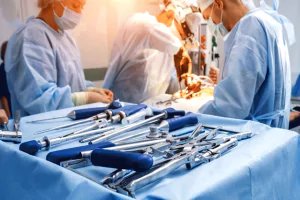
Key Properties of High-Quality Medical Steel
Medical steel must possess several critical properties to meet the demands of the healthcare sector. Corrosion resistance is one of the most important factors, as medical tools and implants are frequently exposed to bodily fluids and sterilization processes. Stainless steel grades such as 316L and 304 are commonly used due to their excellent resistance to rust and staining. Strength and durability are also crucial, as medical devices and surgical instruments must withstand repeated use without degrading. Additionally, biocompatibility ensures that medical steel does not react negatively with human tissues, making it safe for implants and long-term applications.
Factors to Consider When Selecting a Medical Steel Supplier
Choosing the right supplier for medical steel requires careful consideration of several factors. Quality assurance is paramount, as suppliers must adhere to industry regulations and certification requirements such as ISO 13485 for medical device manufacturing. The supplier’s ability to provide consistent and precise machining services also matters, ensuring that medical steel components meet exact specifications. Lead time and delivery efficiency should be evaluated to prevent disruptions in the supply chain, especially for manufacturers with tight production schedules. Pricing and cost-effectiveness should be considered without compromising quality, making it important to balance affordability with reliability.
The Role of Custom Machining and Processing in Medical Steel
Medical steel often requires custom machining and processing to meet specific application needs. Services such as precision grinding, burnishing, and saw cutting ensure that medical steel components are crafted with accuracy and smooth finishes. Custom machining is particularly important for orthopaedic implants, surgical instruments, and dental applications, where exact dimensions and surface smoothness are required. Working with a supplier that offers advanced processing capabilities ensures that medical steel is tailored to the unique requirements of healthcare applications.
Where to Source Medical Steel in Arlington Heights, IL
Finding a reputable supplier in Arlington Heights, IL, is essential for businesses in the medical industry. Local suppliers like O’Hare Precision Metals, LLC provide high-quality medical steel with precision machining services tailored to medical applications. By sourcing from a trusted local provider, manufacturers benefit from reduced lead times, personalized customer service, and compliance with industry standards. Ensuring that the supplier has experience in the medical sector and offers a range of services such as packaging and custom machining is key to securing reliable medical steel.
Ensuring Compliance and Certification in Medical Steel Procurement
Compliance with industry standards is non-negotiable when sourcing medical steel. Manufacturers must work with suppliers who meet FDA and ISO requirements to ensure the safety and effectiveness of their medical products. Certifications such as ISO 9001 and ISO 13485 indicate that the supplier follows stringent quality control processes. Additionally, proper documentation and traceability are crucial for medical steel, as manufacturers must provide records of material composition and processing history for regulatory approval.

Conclusion
Selecting the right medical steel supplier in Arlington Heights, IL, requires careful evaluation of quality, machining capabilities, regulatory compliance, and supply chain efficiency. Working with a reliable supplier ensures that manufacturers receive high-quality medical steel that meets the rigorous standards of the healthcare industry. Contact O’Hare Precision Metals, LLC, which is a trusted provider offering precision machining, custom processing, and high-grade medical steel tailored to medical applications. Choosing a local supplier with experience in the medical field helps manufacturers maintain efficiency and compliance while delivering safe and durable medical products.
FAQs
What types of medical steel are commonly used in healthcare?
Medical steel grades such as 316L and 304 stainless steel are widely used due to their corrosion resistance, strength, and biocompatibility.
Why is biocompatibility important in medical steel?
Biocompatibility ensures that medical steel does not cause adverse reactions in the human body, making it safe for implants, surgical tools, and medical devices.
How do I verify if a medical steel supplier meets industry standards?
Look for certifications such as ISO 9001 and ISO 13485, which indicate that the supplier follows strict quality control and regulatory compliance measures.
What are the benefits of sourcing medical steel from a local supplier in Arlington Heights, IL?
Local suppliers provide faster delivery, personalized customer service, and better compliance with regional industry regulations.
Can medical steel be customized for specific applications?
Yes, services like precision grinding, burnishing, and custom machining allow medical steel to be tailored to the exact specifications required for medical instruments and implants.